
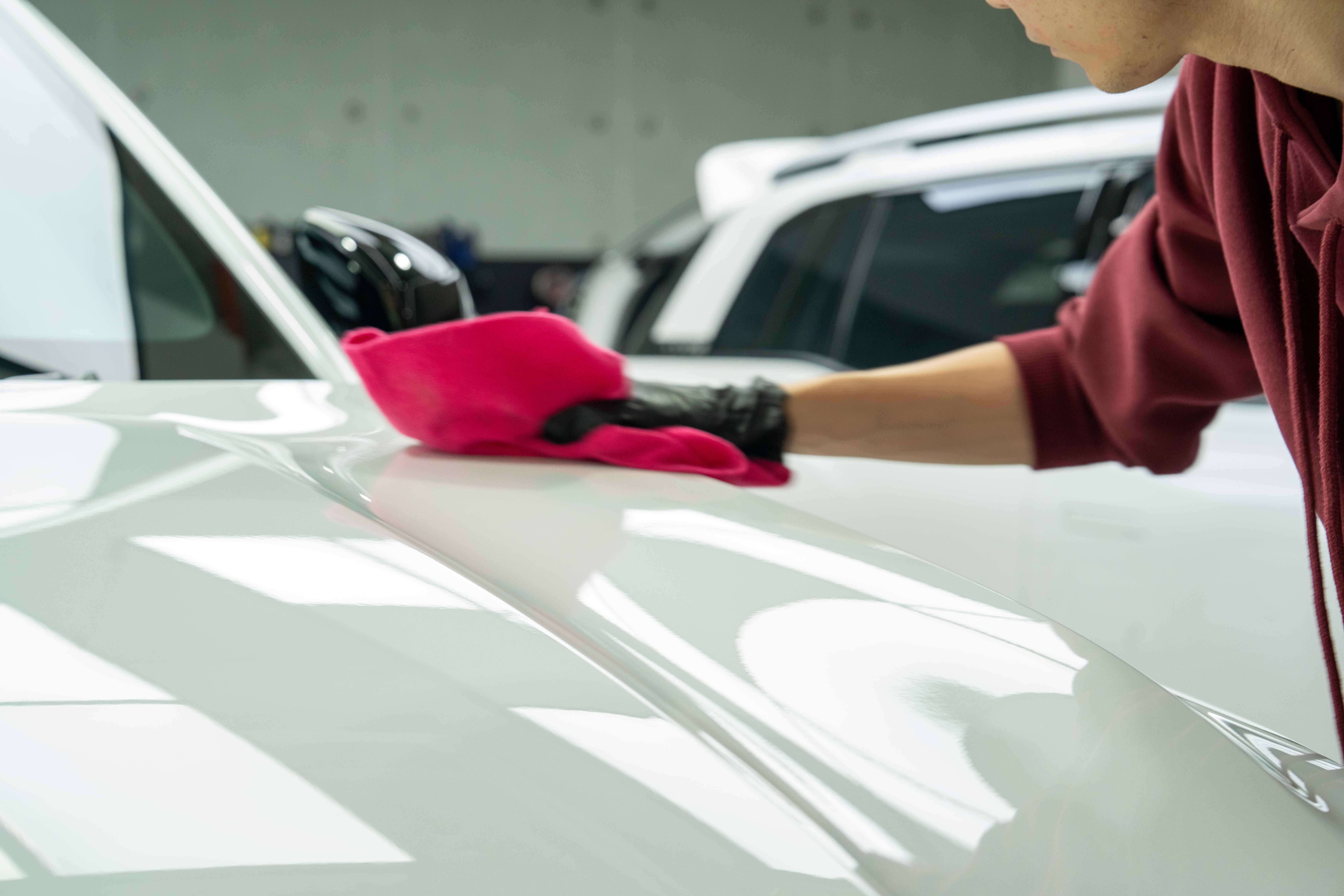
Your car has just been coated. This guide covers everything from here: the first week, ongoing washing, what to avoid, and how to keep the coating performing the way it's supposed to for its full rated life.
Keep this. Send it to whoever else drives the car. Most of what damages a fresh coating happens in the first few weeks, usually from someone who didn't get this information.
The first 7 days: curing
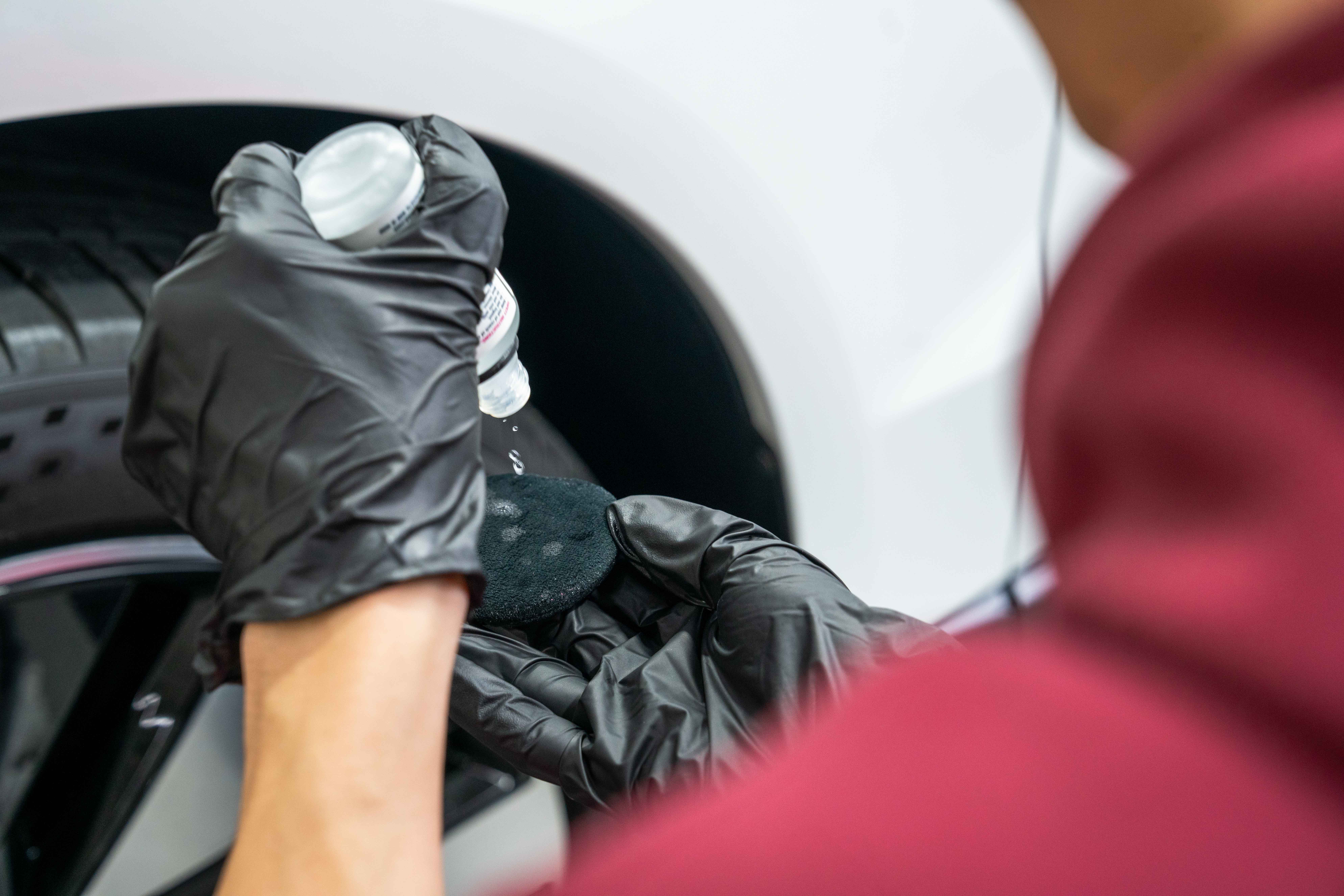
Ceramic coating doesn't finish working the moment it's applied. It needs time to fully harden and bond to the paint, and how you treat the car in this window matters more than at any other point in its life.
For the first 7 days:
- No washing. Not even a quick rinse.
- No rain exposure if avoidable. Park under cover where you can.
- No car covers. Trapped moisture against a curing coating can cause uneven curing.
- Avoid heavy condensation environments (don't park somewhere the car will be soaked in dew overnight, repeatedly).
If you opted for QuickCure at application, your curing window is shorter. Halo will tell you the exact number of days for your specific coating, since it varies by tier, ask if you're not sure.
Why this matters: washing or wetting the coating before it's cured can disrupt the bond before it's fully formed, leading to patchy performance or premature wear in the exact areas that got wet too early.
Weeks 2 to 4: easing in
The coating is bonded but still reaching full hardness during this period.
- You can wash the car now, but keep it gentle: hand wash only, no automatic car washes yet.
- Avoid clay bars, polishing, or any abrasive treatment on the coated surface during this window.
- Continue avoiding harsh chemical exposure (fuel spills, industrial runoff, tree sap left to sit).
After week 4, the coating is at full hardness and behaves the way it's rated to for the rest of its life.
Washing, done right
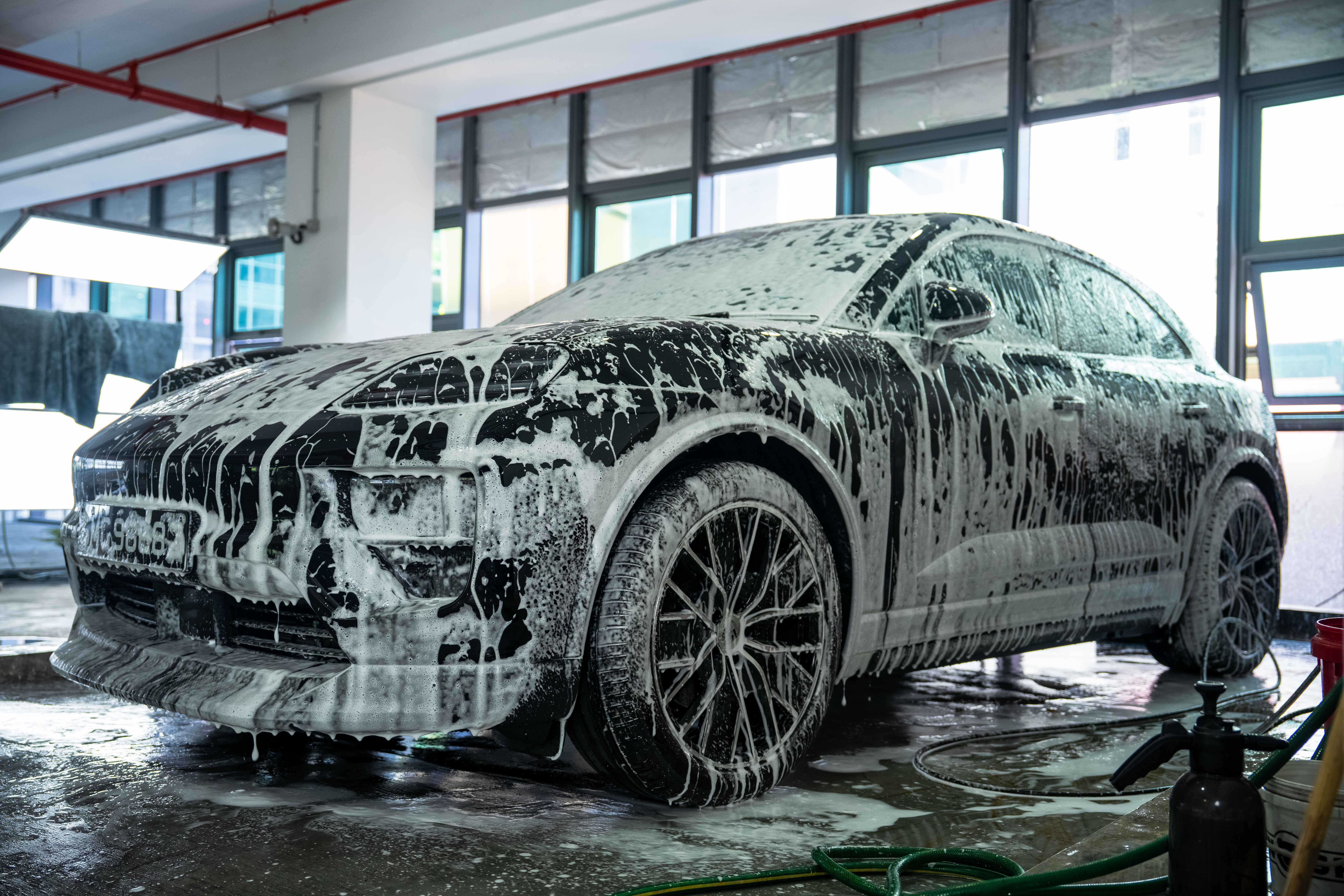
This is the part that determines how long your coating actually lasts, more than any other single habit.
Frequency: every 2 to 3 weeks is a reasonable baseline for most drivers in Singapore's climate. More often if you're driving daily through heavy traffic, dust, or near the coast (salt air accelerates surface contamination).
What to wash with: a pH-neutral shampoo, always. Regular dish soap, degreasers, or anything not specifically formulated for coated paint will strip hydrophobic performance over time, even if it looks fine after one wash. WID's Apple and Bubblegum shampoos are both pH-neutral and safe on ceramic, so are the Apple and Cherry Snow Foam pre-wash options.
The two-bucket method:
- One bucket with your shampoo solution, one with plain rinse water.
- Rinse the car first to loosen surface dirt before any contact.
- Wash top to bottom, working in straight lines rather than circles.
- Dip your wash mitt in the rinse bucket between every panel to remove grit before it goes back into the soap bucket, this is the step most people skip, and it's the one that actually prevents swirl marks.
- Rinse the whole car again to remove all soap residue.
Drying: use a clean microfiber towel or a proper drying towel, patting rather than dragging where possible. Never let the car air-dry in direct sun, water spots that dry on a coated surface are genuinely harder to remove than on bare paint, since the coating resists the water sitting flat.
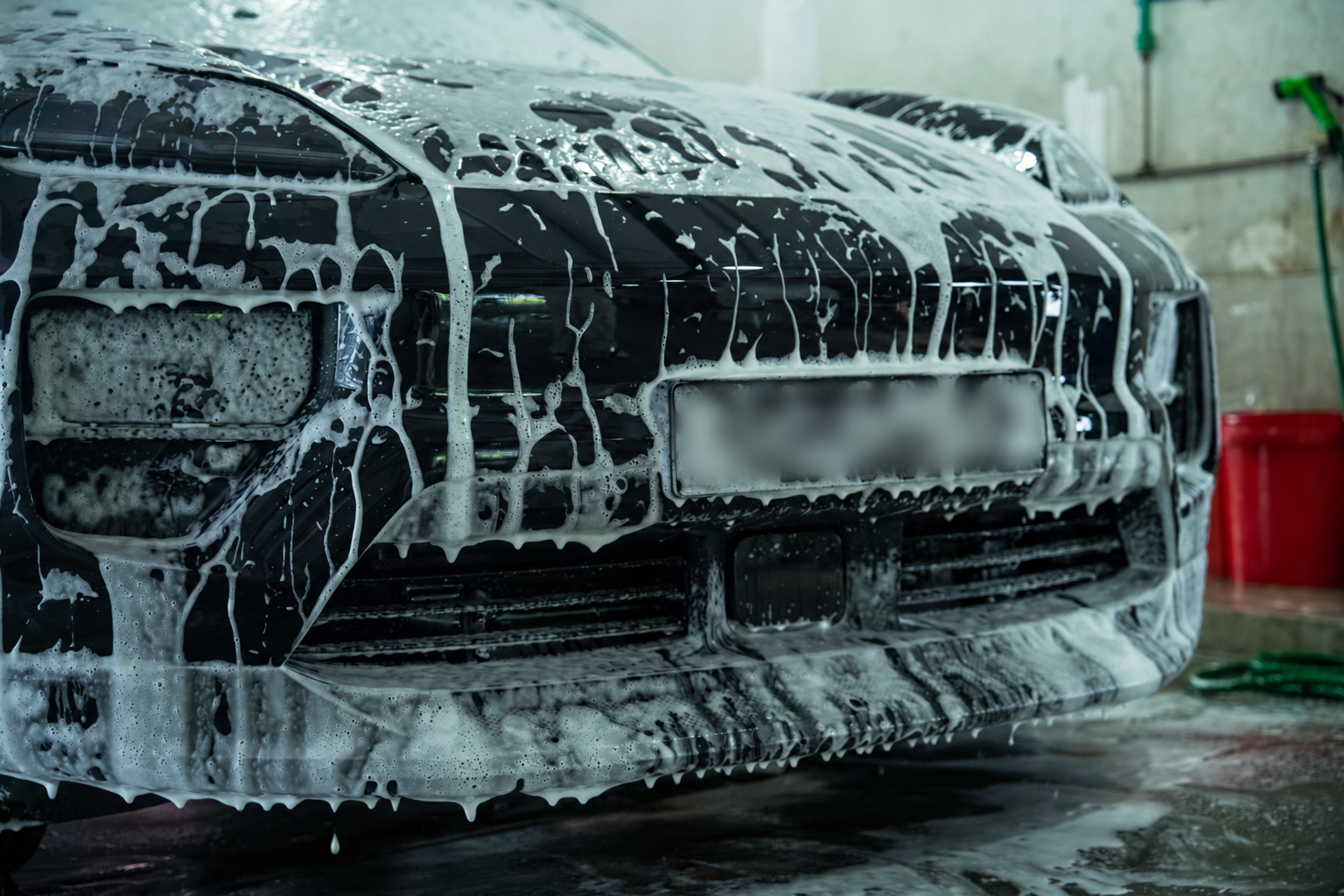
Pre-wash foam: using a snow foam before contact washing isn't just a nice-to-have, it's a real swirl-prevention step. It lifts loose grime off before a mitt ever touches the surface, which is exactly when most fine scratches happen.
Between full washes
You don't need a full wash every time the car looks slightly dusty.
WID Quick Detailer is built for exactly this: a between-wash spray that restores beading and gloss in minutes, no bucket needed. Good for light dust, fingerprints, or freshening up before an event.
What actually damages or voids a coating
Worth being direct about this, since some of these are common habits that feel harmless.
Never:
- Wax or seal over a ceramic coating. It doesn't add protection, it sits on top of the coating and can actually interfere with how it sheets water. If you want a gloss boost, use a dedicated ceramic-safe topper, not traditional wax.
- Use automatic car washes with brushes. The brushes are shared across every car that goes through, and they're a genuine cause of fine scratching (swirls) regardless of what's coated underneath. Touchless/contactless automated washes are lower risk but still not ideal.
- Use clay bars, compounds, or polish directly on the coating without asking first. These are abrasive by design and can thin or damage the coating layer. If the car needs decontamination, ask Halo, there are coating-safe methods.
- Park under trees for extended periods. Sap and bird droppings are acidic and can etch even a coated surface if left to sit. Wipe them off as soon as you reasonably can, don't wait for the next scheduled wash.
- Ignore fuel or chemical spills. Wipe immediately. Coatings resist a lot, but not indefinite exposure to solvents.
Interior care
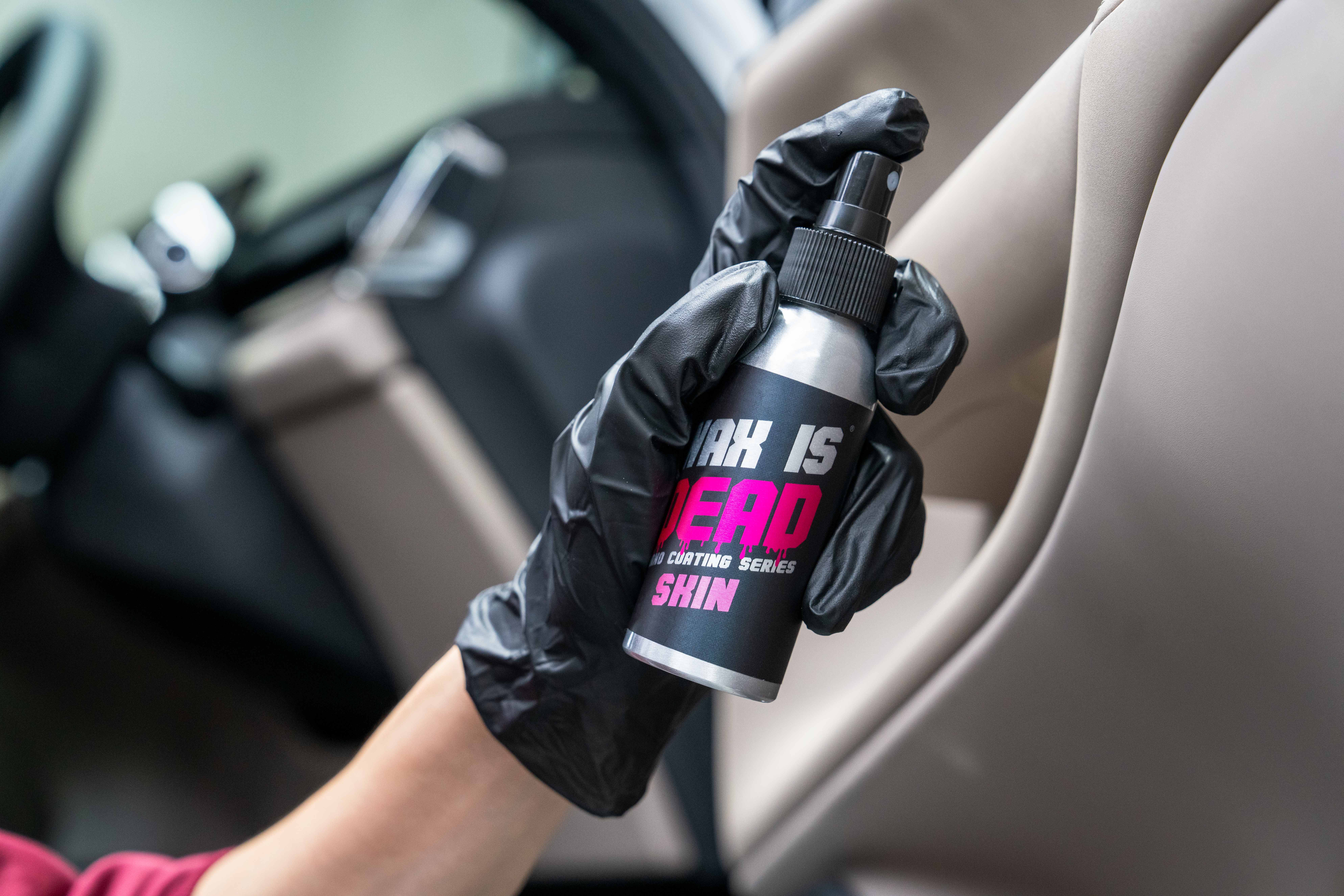
If your package included WID Skin & Fabric, the same logic applies indoors: it's nano coating protecting trim, plastics, and upholstery, not a reason to stop cleaning altogether.
- Wipe spills immediately rather than letting them sit, even though the coating gives you a real grace period compared to untreated fabric or leather.
- Avoid harsh interior cleaners with silicone or alcohol bases, they can degrade the coating over time the same way the wrong shampoo affects paint.
- A simple wipe-down with a damp microfiber cloth is usually enough for routine maintenance.
Maintaining hydrophobic performance long-term
Ceramic coating doesn't need reapplication the way wax does, but its hydrophobic performance (the beading and sheeting you see right after a wash) does gradually reduce with exposure over the months.
WID REGEN Detailer is built specifically for this: a ceramic detailer that tops the hydrophobic layer back up between full coatings, extending the practical life of your investment without needing another full application.
Using it every few months, especially before a season with a lot of rain, keeps the coating performing closer to how it did on day one.
Signs it's time to bring the car back in
- Water is no longer beading or sheeting the way it used to, it's sitting flat or spreading out.
- Visible swirl marks or fine scratches that weren't there before.
- Any area where the coating looks patchy or inconsistent compared to the rest of the panel.
None of these mean the coating has "failed", they're normal signs of a coating reaching the point where it benefits from a REGEN treatment or a professional inspection. Bring the car in and Halo can tell you exactly what it needs, if anything.
Quick reference
Do:
- Wait the full cure period before any water contact
- Use pH-neutral shampoo and the two-bucket method
- Use a pre-wash foam before contact washing
- Wipe spills, sap, and droppings off promptly
- Use REGEN Detailer periodically to maintain hydrophobic performance
Don't:
- Wash or wet the car during the initial cure period
- Use automatic car washes with brushes
- Apply wax or sealant over the coating
- Clay bar or polish without checking with Halo first
- Let spills or contaminants sit
Still deciding whether ceramic coating is the right call in the first place? See Is Ceramic Coating Worth It in Singapore?
Questions about your specific coating or its maintenance schedule? Get in touch and we'll help you work it out.

