
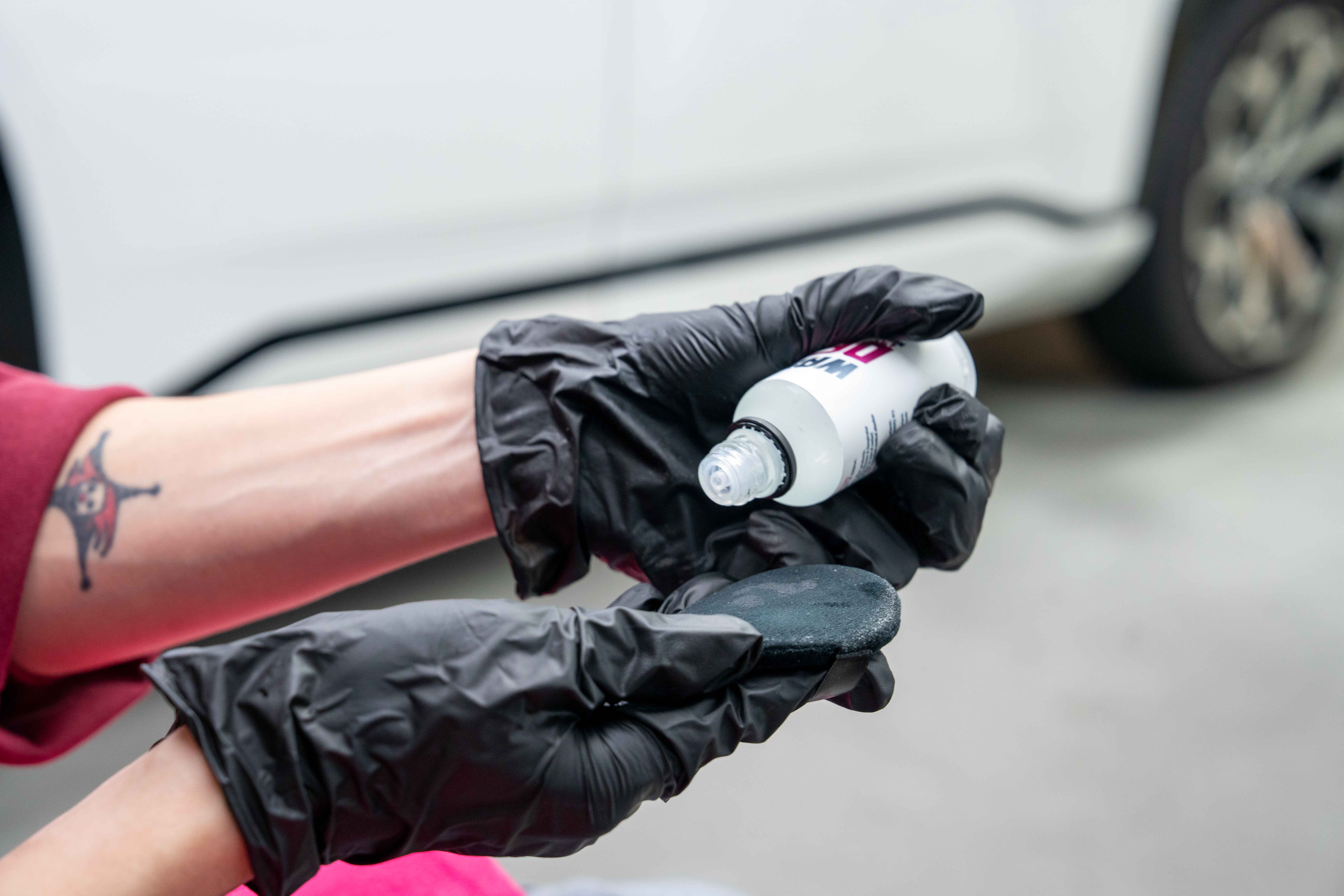
Yes, for most drivers who keep their car for more than a year or two. The short reason: Singapore's climate is genuinely harsh on paint in ways wax was never built to handle, and the cost difference works out closer than most people expect once you account for how often wax actually needs reapplying.
Here's the full case, not just the conclusion.
Singapore's climate is unusually hard on a car's paint
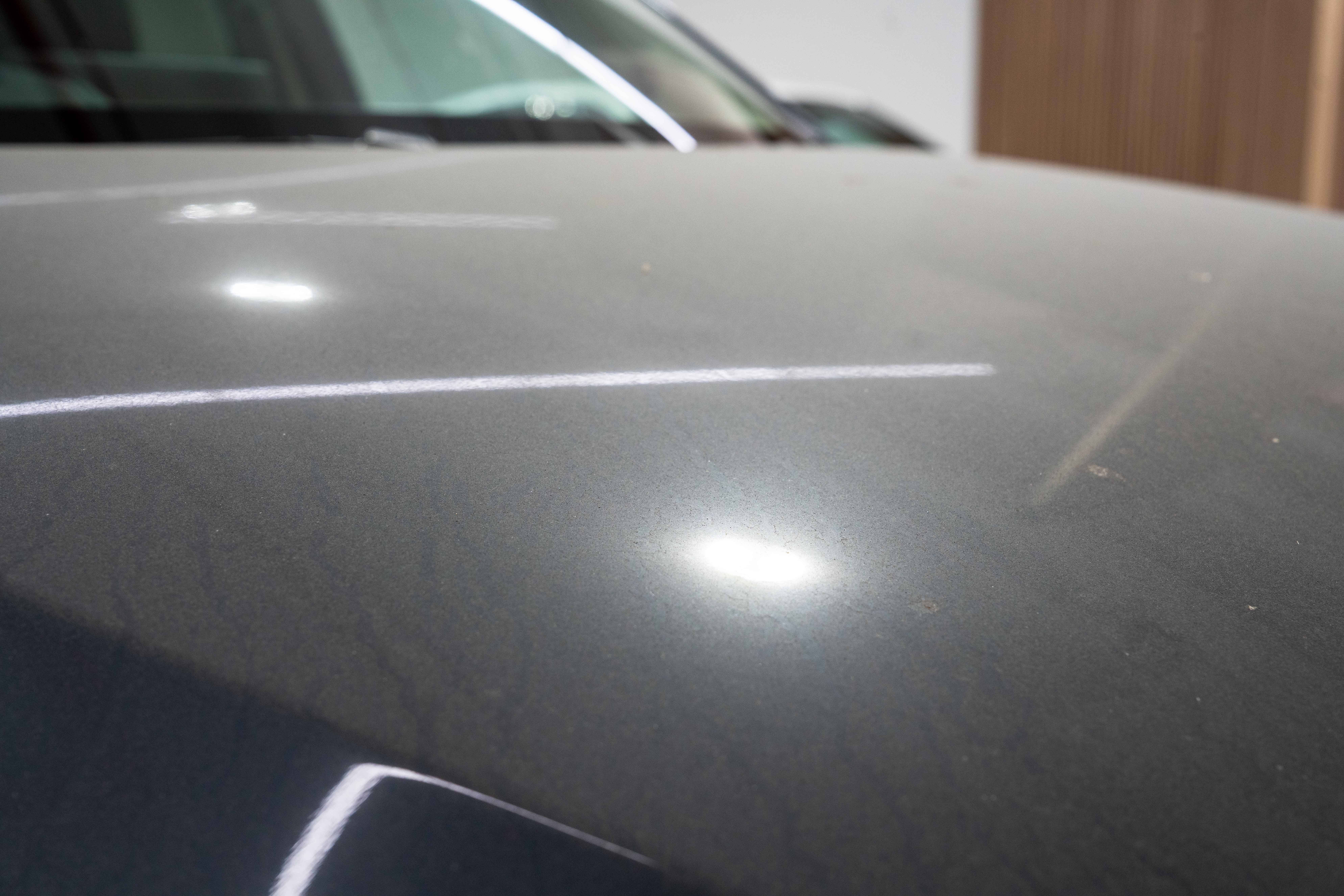
This isn't marketing exaggeration, it's just the weather. A few facts worth knowing:
- UV exposure is high year-round. Sitting almost directly on the equator, Singapore's UV index regularly sits in the very high to extreme range every month of the year, not just during a "summer" the way temperate countries experience it. UV breaks down protective layers on paint over time and accelerates fading and oxidation.
- Humidity averages around 80%, and rarely drops much below that even at its lowest point in the day. Constant moisture in the air affects how contaminants sit on a surface and how quickly water spots and mineral deposits form.
- Rainfall is heavy and frequent, with Singapore receiving well over 2,000mm of rain a year and no real dry season, just wetter and slightly-less-wet months. A car here is realistically exposed to rain, humidity, and direct tropical sun in the same week, sometimes the same day.
None of this is unique to any one brand's coating, it's just the environment every car in Singapore actually operates in. The question isn't whether a car here needs protection, it's which kind of protection actually holds up to it.
What wax actually does, and doesn't
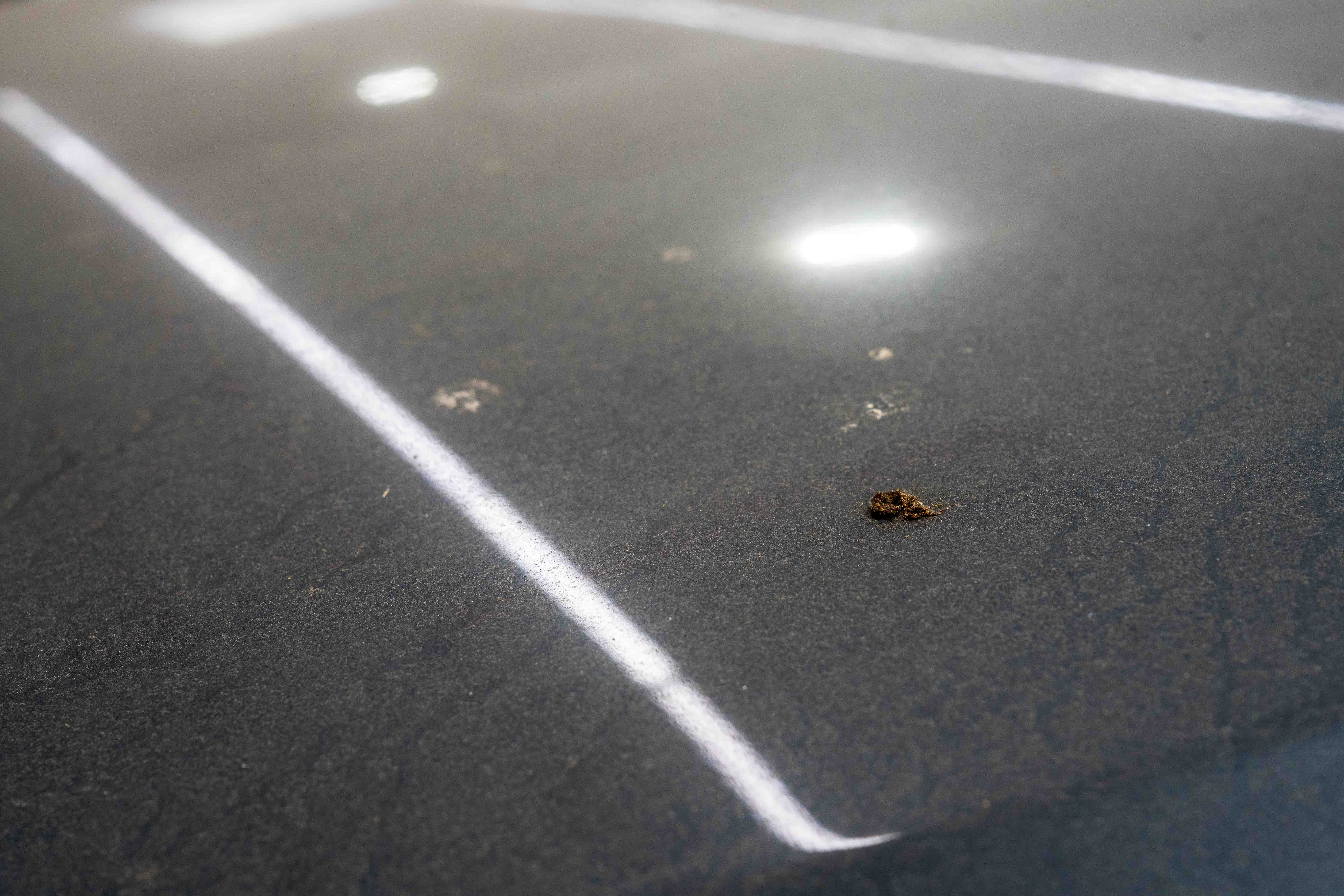
Wax has been the default answer for decades because it's cheap, easy to apply, and genuinely does add gloss and short-term water repellency. It's not a scam, it's just built for a different job than most people assume.
The core limitation: wax sits on top of the paint as a sacrificial layer. It doesn't bond to it. That's why it needs reapplying every few weeks to a couple of months, it's designed to wear off, and in Singapore's heat and rain, it wears off faster than in cooler, drier climates.
Ceramic coating vs wax: the real differences
How it works
- Wax: sits on top of paint
- Ceramic Coating: chemically bonds to paint
Typical lifespan
- Wax: weeks to a few months
- Ceramic Coating: 2 to 10 years, depending on tier
UV resistance
- Wax: minimal, degrades quickly in strong sun
- Ceramic Coating: genuinely resists UV-driven oxidation
Hydrophobic performance
- Wax: present but fades fast
- Ceramic Coating: strong and long-lasting
Maintenance
- Wax: reapply constantly
- Ceramic Coating: occasional top-up detailing, no reapplication
Cost over 2 years
- Wax: repeated product and labor, adds up
- Ceramic Coating: one upfront cost, then minimal upkeep
The "cost over 2 years" line is where the actual decision usually gets made. Waxing a car properly every 6 to 8 weeks, whether you do it yourself or pay for it, adds up over 24 months in a way most people don't total up until they're asked to.
What "9H hardness" actually means
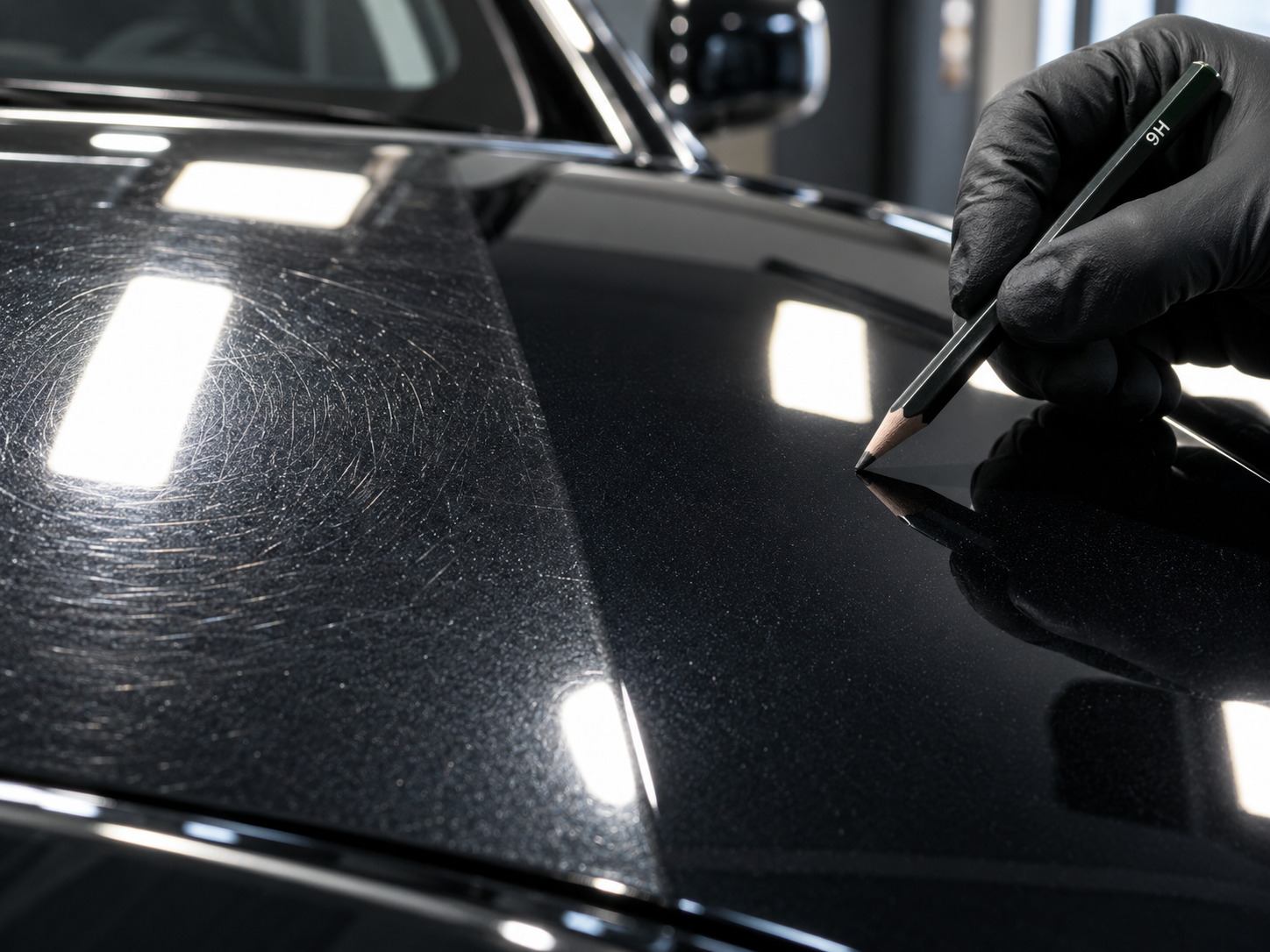
You'll see ceramic coatings rated by hardness, usually 9H. This is borrowed from the pencil hardness scale used to test scratch resistance on coatings and finishes, it's a real, standardized measurement, not a marketing number. In practical terms, a 9H-rated coating is significantly more resistant to fine scratching from everyday contact, like a wash mitt or a light brush, than an uncoated or waxed surface. It won't stop a deliberate key scratch or a stone chip, no coating does, but it meaningfully reduces the fine swirl marks that build up over years of normal washing.
So, is it actually worth it?
If you're keeping the car for several years, in a climate that's actively working against unprotected or waxed paint every single day, the math tends to favor ceramic coating: less recurring cost, meaningfully better resistance to the specific conditions Singapore actually presents (UV, humidity, contaminant buildup), and less time spent on maintenance overall.
How to decide
The follow-up question is usually not "ceramic or wax", it's "which ceramic tier." As what our product name suggests, we believe wax works for some, it's just...not for us. That comes down to one simple factor: how long you're actually planning to keep the car. We've broken that down separately in Ultra vs Supreme vs Ultimate+: Which Coating Do You Actually Need.
And if you've already got a coating and want to know how to actually maintain it long-term, that's covered in The Complete Guide to Car Care After Your Ceramic Coating.
Frequently asked questions
Does ceramic coating actually protect against Singapore's sun and rain?
Yes. Its resistance to UV-driven oxidation and its hydrophobic performance in heavy rain are two of the main practical advantages over wax specifically in a climate like this.
How much longer does ceramic coating last compared to wax?
Wax typically lasts weeks to a couple of months before needing reapplication. Ceramic coatings are rated from 2 years up to 10 years depending on the tier.
Can I apply ceramic coating over old wax?
No. Wax needs to be fully removed and the paint properly decontaminated before a ceramic coating can bond correctly. Applying over wax residue will affect the bond and the coating's performance.
Is ceramic coating worth it for a car I'm planning to sell soon?
Generally not necessary if you're selling within a year, though it can support resale value if the car will be inspected closely. Wax or a lighter sealant is a reasonable option for a short ownership window.
Not sure which option fits your situation? Get in touch and we'll walk through it, or see the full Wax Is Dead ceramic coating range Halo Collective applies as the exclusive certified installer in Singapore and Malaysia.

